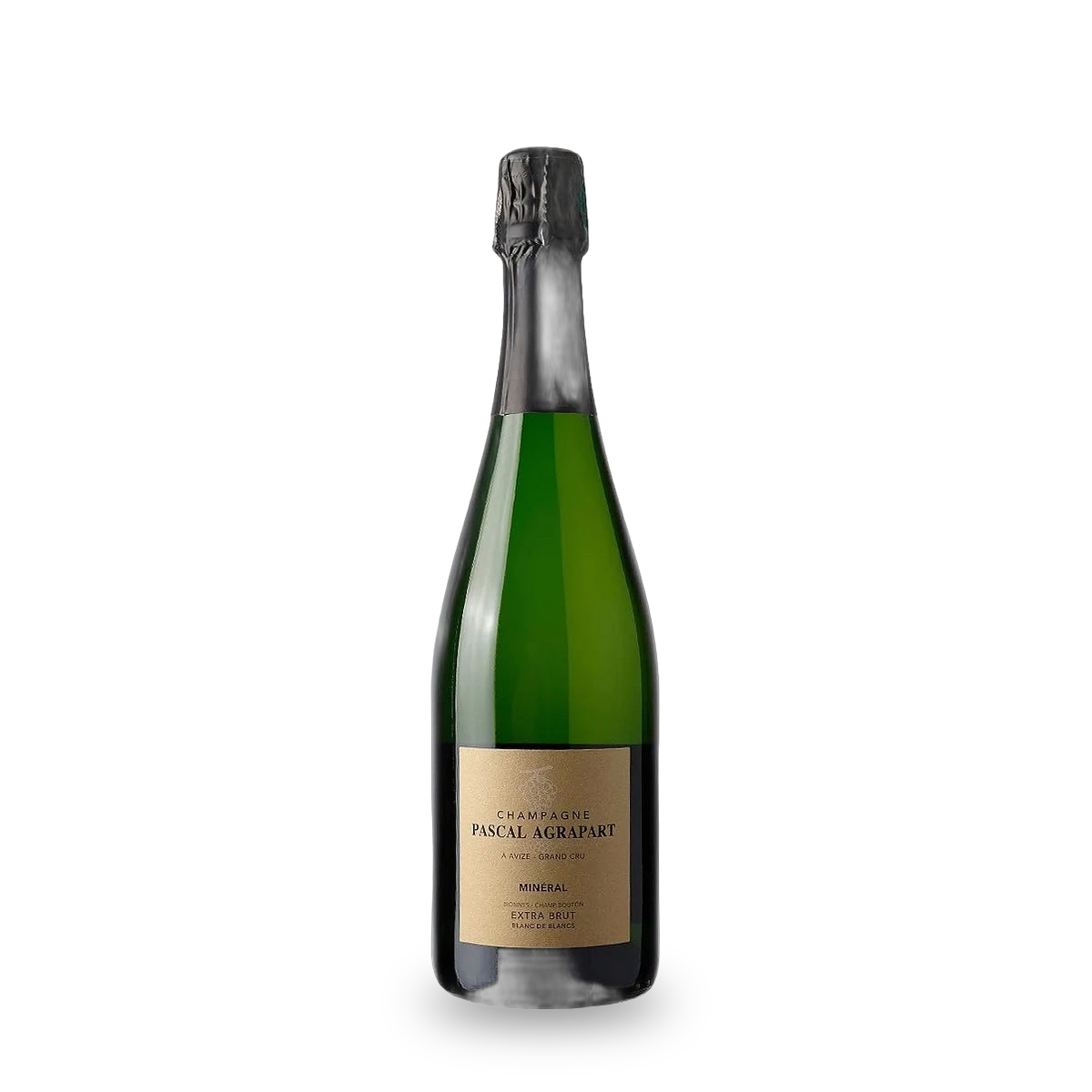
Champagne is defined by precision, energy and complexity, combining high acidity with fine, persistent mousse to create a wine that feels structured yet weightless on the palate. The acidity is high, bright and linear, giving tension and drive, while the bubbles act as both texture and lift, carrying aromas and refreshing the finish. The fruit profile tends to be restrained and elegant rather than overtly expressive, often sitting within a framework of autolytic notes such as brioche, pastry and subtle nuttiness developed through ageing on lees. Texture is a key element: the best examples show a creamy, integrated mousse that feels seamless rather than aggressive, adding depth and refinement. Despite its lightness, Champagne has a strong structural backbone, allowing it to age and develop savoury, complex layers over time. Balance between freshness, texture and secondary character is essential, and dosage plays a role in shaping the final perception of dryness and roundness. Overall, Champagne is a wine of finesse and detail, where acidity, mousse and subtle fruit interplay to create a style that is both refreshing and deeply complex.
Please verify your age